


Social Media is the North Star for Entertainment Marketing
Having grown up during the explosion of the internet, Gen Z is accustomed to the digital landscape constantly fighting for audience attention.
According to IGN’s recent study “Generations In Play,” members of Generation Z, the generation born between 1997 and 2012 also known as “Zoomers,” are more likely to treat moviegoing as “an active social event, indexing highest on the ‘In Theater’ experience.” The study found Gen Z to be 13% more likely than Gen X or Millennials to see a movie in a theater on opening weekend, and 59% of Zoomers responded that they watch TV shows the day of release “driven by the need to avoid spoilers and join the cultural discourse.”
As print media becomes less ubiquitous, streaming services normalize ad-free tiers and marketing strategies shift focus to target younger demographics, entertainment studios are reaching audiences on social media. Among Zoomer respondents to the IGN study, 85% identified social media as their primary source of news.
“How each person consumes social is always different and dynamic, but a billboard is always consumed the same way,” said Ryan Bitzer, an almost-20-year social media marketing veteran and CEO of Digital Media Management (DMM), an agency that has worked on campaigns including Sinners, Barbie and the Olympics. “Our job is to entertain the audience when the TV is off or they’re not in the theater.’”
Social media marketing used to emphasize gaining the largest number of followers who would see a brand’s content. Personalized algorithms and “for you” pages now allow users to see posts from brands they do not already follow.
“It’s consumption-led,” Bitzer said. “The key metric went from your follower count to how many people can you consistently reach on a monthly basis. Is that metric growing?”
Kate Gullett, Director of Platform at DMM, said a good “social-first” creative campaign is “disruptive.”
“You’re looking to make something that’s going to stop someone from scrolling on their feed,” Gullett said. “We don’t want to come across like we’re putting an ad on your feed for a TV show or a movie.”
Ayano Swisher, a 10-year and social media manager most recently with Trailer Park Group, said social campaigns for films are easier to manage than those for television shows, especially recurring series.
Film campaigns “are not as volume-heavy as television where there are still a lot of linear (episode) drops, and conversation is timed by drops still,” Swisher said. “With film, you won’t see things trending all at once and it’s more of a gradual conversation, and the campaign windows are a lot shorter than with TV.”
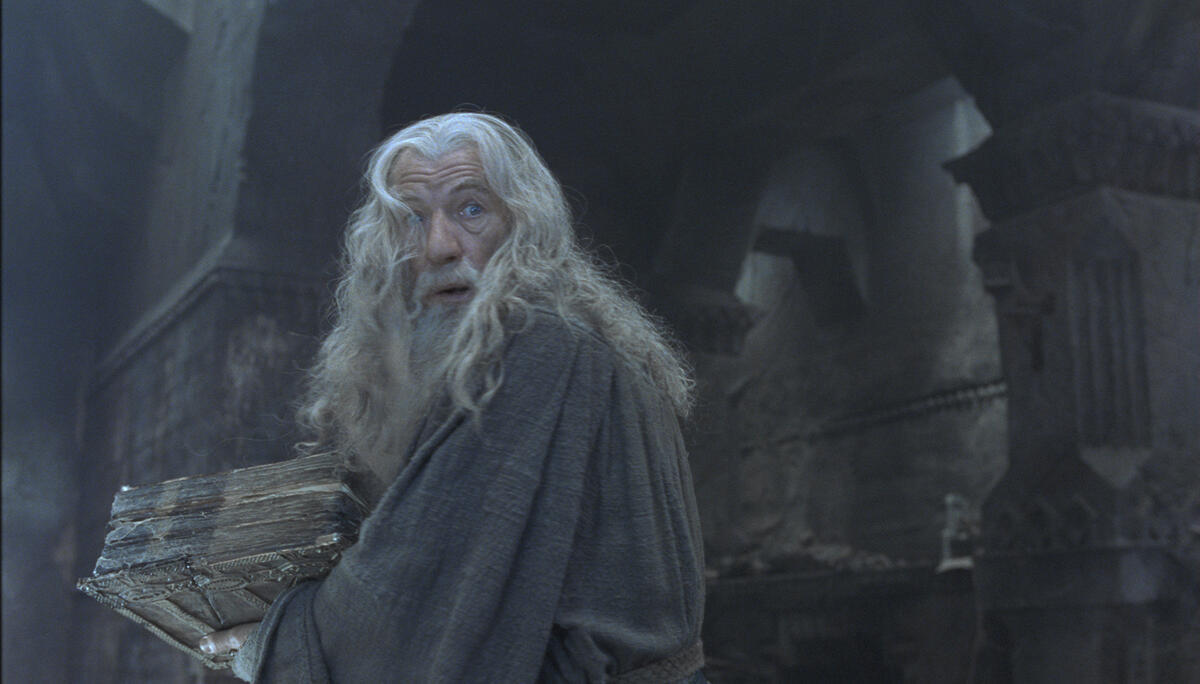
Internet advertising is not new for the industry. Information technology and public relations consultant Keith Stern has been marketing movies on the internet since 1995, creating websites (and eventually social media pages) for films like Gods and Monsters (1998) and The Lord of the Rings films and for names like Spinal Tap, Sir Ian McKellen, Brendan Fraser, Lily Tomlin, Sean Astin and Andy Serkis. McKellen’s website was particularly notable for allowing fans to email the actor who would respond in blog posts, an unprecedented level of direct access to talent for the time.
Stern said studios initially did not value the internet and saw it as a fad, an attitude they would later repeat with social media. Left to his own devices, he drew attention to film websites by uploading behind the scenes photos, actor blogs and hosting giveaways.
The website for “Gods and Monsters” was tailored to a Hollywood industry audience, who Stern knew owned internet-enabled computers, a strategy he credits with helping the film earn several awards. As more of the general public gained internet access, he pivoted strategies for The Lord of the Rings, instead building excitement among fans of the books and cartoon adaptations. Email interactions with McKellen and the actor’s blog “Bits and Bobs” helped strengthen fan anticipation and confidence in the film.
“If we had lost the fan base, the Tolkien people, there was no way we were going to convince the general public to see this movie,” Stern said. “It was the back and forth with the fans that was made possible by the internet.”
According to Gullett, marketing budgets have shifted significant focus towards social, allowing brands to know who is viewing their content and engage back.
“You have a direct line to the people who are going to see your movie,” she said. “Every post you do is like a mini focus group … If people are saying, ‘I still don’t understand what this movie is about,’ the next content series is going to show the plot.”
Organic word of mouth is a major indicator of success, like when users share posts or generate their own content based on a brand’s post. This is a change from about ten years ago, when, according to Swisher, networks relied upon live-tweeting, or posting questions and commentary to Twitter during the premiere of a new episode, as a chief way to engage with fans.
“Reaction content is really big right now,” Gullett said. “When I was working on the Cocaine Bear campaign, it was a really big win to see people were starting to screenshot the stuff we were posting and do green screen Tik Tok videos about how insane and ridiculous we were.”
This is why influencer-based content is a major component in many recent campaigns. Influencers bring credibility, but Bitzer and Gullett emphasized the importance of vetting and selecting the right content creator for the marketing campaign’s tone. As Gullett said, “People, more often than not, trust people before trusting a brand.”
In the TikTok era of phones and social media virality, internet memes might sell more movie tickets than ads in print magazines.
“Social (media) has democratized our ability to consume content,” Bitzer said. A brand’s “ability to be a driving force in culture via social is more important than it’s ever been.”